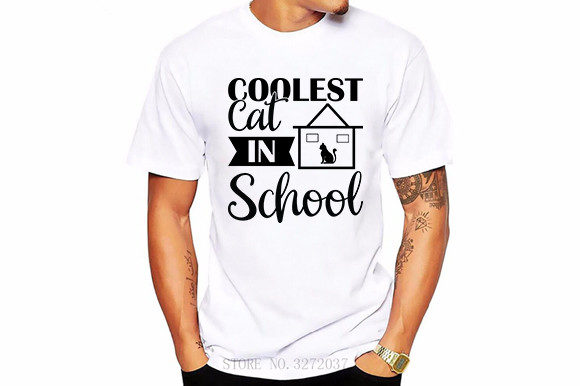
Coolest Cat in School: A Designer’s Stitch Review
When evaluating a new graphic for production, my first question is always whether the digital art can survive the transition to thread. As a designer who has reviewed hundreds of assets for commercial and personal use, I approached Coolest Cat in School with a critical eye toward its viability as a machine embroidery design. This isn't just about whether the artwork is cute; it is about whether the lines are clean enough for satin stitch borders, if the negative space will hold up on textured fabrics, and if the overall composition communicates that retro school vibe without looking cluttered once stitched out.
First Impressions: Retro Charm Meets Stitch Logic
The immediate appeal of Coolest Cat in School lies in its confident, nostalgic personality. It captures a specific mid-century aesthetic that resonates deeply with current market trends for vintage-inspired apparel and nursery decor. From a technical perspective, the silhouette appears well-suited for digitizing. The shapes are distinct rather than overly intricate, which is a massive advantage when converting vector graphics into an embroidery file. Complex shading often gets lost or muddy in thread, but this design relies on bold forms and clear outlines. This suggests it will translate beautifully into either a full fill stitch motif or, perhaps even better, as an applique design where fabric texture adds depth that thread alone cannot achieve.
For those working with T-Shirt Designs and Graphics, this level of visual clarity is essential. When a customer views a listing on Etsy or a craft fair booth from five feet away, they need to instantly read the "cool cat" concept. The layout feels balanced, avoiding top-heavy proportions that can cause hooping issues on smaller garments like baby onesies or toddler tees. It has a natural center of gravity that should make placement straightforward, reducing the risk of crooked stitching on curved surfaces.
Real-World Application: The Custom Sweatshirt Test
To truly judge this asset, I mentally placed it in a real-life production scenario: creating a custom embroidered sweatshirt for a boutique fall collection. Sweatshirts present unique challenges due to their fleece backing and stretchy knit face. In this context, Coolest Cat in School performs exceptionally well because its bold lines allow for adequate underlay. When stitching on unstable knits, you need a design that anchors itself firmly without pulling the fabric into a tunnel. The open spaces within the cat’s features provide necessary relief areas, preventing the dreaded "bulletproof" patch effect where dense stitching makes the garment stiff and unwearable.
I also envision this design shining as a tote bag design. Canvas and denim are forgiving fabrics that handle higher stitch density gracefully. For a handmade product aimed at teachers or students, this graphic offers instant recognition. The mood is playful yet polished, elevating what could be a generic school supply item into a personalized gift with genuine character. Whether used for commercial embroidery on merchandise or a singular holiday embroidery project for a niece or nephew, the design carries enough visual weight to justify a premium price point without requiring excessive embellishment.
Navigating Fabric Variables and Hoop Limitations
While the design is versatile, practical judgment dictates caution in specific scenarios. If you plan to resize Coolest Cat in School down for a small hoop size, such as a 4x4 inch area for a pocket logo or cap, you must verify the integrity of fine details. Elements like whiskers, glasses frames, or lettering can become indistinguishable lumps of thread if reduced too aggressively. Always check your minimum recommended size before committing to a run on caps or baby clothes.
Fabric texture also demands attention. On high-pile fabrics like terry cloth towels or plush blankets, the design’s finer running stitch details may sink into the nap. In these cases, using a water-soluble topping stabilizer is non-negotiable to keep the stitches visible. Conversely, on thin, lightweight cottons often used for summer baby embroidery, you must monitor stitch density. Overly dense fill areas can pucker delicate fabrics or create holes. Testing on scrap fabric that matches your final substrate is the only way to guarantee professional results. Dark fabrics present another variable; ensure your thread colors offer sufficient contrast so the "coolest cat" doesn't disappear against navy or black backgrounds.
Commercial Viability and Brand Consistency
For Etsy sellers and small shop owners, design assets must do double duty: they must look good in person and photograph well for printable mockups. Coolest Cat in School succeeds here because its graphic nature reads clearly in digital previews. Buyers can immediately understand what they are purchasing, which builds trust and reduces return rates due to unmet expectations. The design’s inherent style supports brand consistency for shops focusing on retro, academic, or animal-themed niches. It pairs naturally with collegiate fonts and varsity aesthetics, allowing for easy bundling with other products.
However, professionalism extends beyond aesthetics. Before listing any finished product or digital embroidery file derived from this asset, confirm your licensing terms. Understanding whether you have rights for commercial embroidery versus personal use protects your business. Additionally, when selling physical items, the quality of your stitch-out directly impacts perceived value. A clean, well-stabilized execution of Coolest Cat in School signals to buyers that you care about craftsmanship, encouraging repeat business and positive reviews.
Essential Pre-Stitch Checklist for Makers
Before loading this design into your machine, run through this practical verification list to ensure success:
- Verify File Compatibility: The ZIP contains EPS, SVG, PNG, and DXF files. Confirm your digitizing software or machine accepts these formats or convert them appropriately before starting.
- Test Stitch Density: Run a sample on scrap fabric to check for puckering or thread breaks, adjusting tension or density settings as needed for your specific material.
- Check Color Contrast: View the design in black and white during the planning phase to ensure tonal separation remains clear regardless of thread color choices.
- Select Proper Stabilizer: Match your stabilizer weight to both the fabric type and the design’s stitch count to prevent distortion.
- Inspect Small Details: Zoom in on corners and text elements to ensure they are wide enough to accommodate satin stitch columns without fraying.
- Confirm Licensing: Double-check usage rights for both personal projects and commercial sales to avoid legal issues.
- Evaluate Placement: Consider how the design interacts with seams, pockets, or garment construction to avoid stitching over bulky areas.
Ultimately, Coolest Cat in School represents a strong candidate for makers seeking reliable, stylish graphics that bridge the gap between digital art and tangible craft. Its success in your studio will depend less on the file itself and more on your thoughtful application of embroidery fundamentals. By respecting fabric limitations, testing thoroughly, and leveraging its retro charm strategically, this design can become a staple in your repertoire for everything from custom apparel to cherished personalized gifts. Approach it with the respect due any quality tool, and it will deliver results that satisfy both the maker’s standards and the client’s delight.