1st Grade Squad Calligraphy: An Embroidery Review
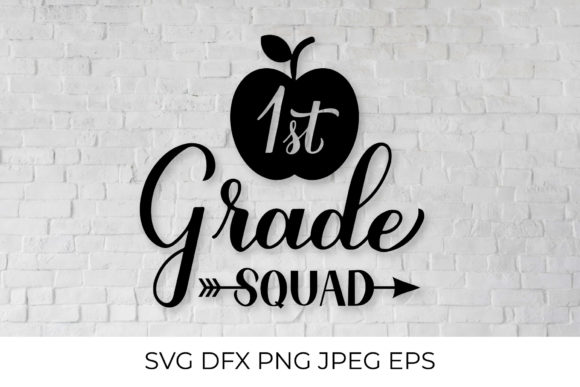
As a professional embroidery designer and product reviewer, I approach every new graphic with a specific question: will this actually stitch out well, or is it just a pretty picture on a screen? When evaluating the 1st Grade Squad Calligraphy Lettering design, my focus shifts immediately from its digital aesthetics to its structural integrity as a machine embroidery design. This file is marketed primarily as a cut file for vinyl and sublimation, listing formats like SVG, DXF, PNG, JPEG, and EPS10. However, for those of us in the embroidery industry, these vector-based illustrations offer a unique opportunity to create custom digitized assets, provided we understand the translation process from screen to fabric.
First Impressions and Design Personality
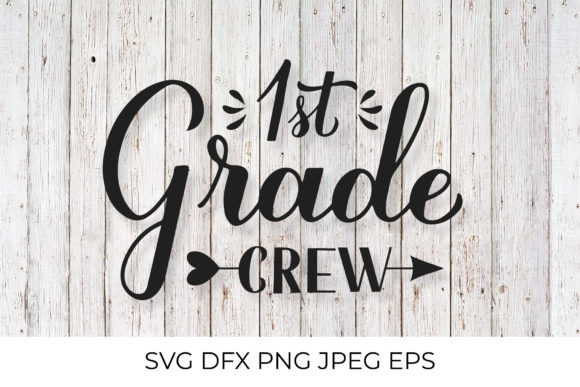
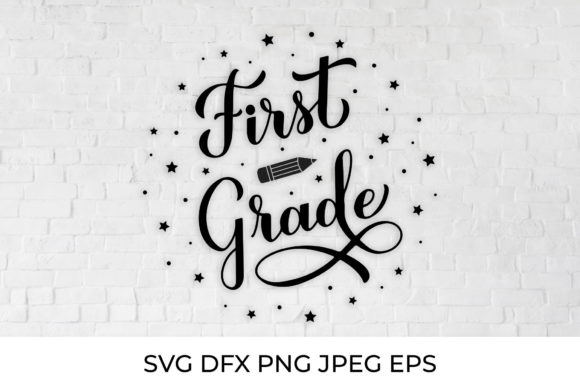
The visual mood of this calligraphy lettering is undeniably celebratory yet structured. It strikes a balance between playful childhood nostalgia and organized group identity. The "Squad" aspect implies uniformity and belonging, making it an ideal candidate for class shirts, teacher appreciation gifts, or matching family sets for the first day of school. From a design perspective, the calligraphy style suggests fluid movement, but as an embroiderer, I am looking at the anchor points. Does the script connect logically? Are the swashes too thin to support a satin stitch? The graphics possess a boldness that is promising for visibility on apparel, but the intricate nature of calligraphy always demands a critical eye regarding stitch density and fabric interaction.
Real-World Application: The Custom Sweatshirt Test
To truly evaluate this asset, I mentally placed it in a real-life production scenario: creating a custom embroidered sweatshirt for a first-grade teacher. This is a high-stakes project because the end user expects durability, comfort, and legibility. A sweatshirt presents specific challenges due to the fleece backing and potential pilling. If I were adapting the 1st Grade Squad Calligraphy Lettering for this garment, I would avoid a direct 1:1 trace of the vector lines. Instead, I would use the EPS10 or SVG file as a template to build a specialized embroidery file.
For this specific handmade product, I would likely convert the thinner connecting strokes of the calligraphy into running stitches or bean stitches rather than attempting a narrow satin stitch, which risks sinking into the fleece texture. The bolder parts of the lettering could remain as satin columns to provide that classic, raised embroidery look. This adaptation ensures the personalized gift remains soft against the skin while maintaining the visual impact necessary for classroom photos. The goal is a finished product that looks intentional and professional, not like a vinyl decal that was accidentally stitched.
Navigating Fabric Variables and Stabilizer Choices
One of the most critical aspects of using graphic-based lettering for embroidery is understanding how different substrates affect the outcome. This design will perform differently across various materials commonly used in small shop products and commercial embroidery projects.
- Cotton T-Shirts: For lightweight cotton, stitch density must be managed carefully. Heavy fill stitches behind delicate calligraphy can cause puckering. A cutaway stabilizer is non-negotiable here to maintain the shape of the letters after washing.
- Tote Bags and Canvas: The coarse weave of canvas tote bags can swallow fine details. If using this design for a tote bag design, consider increasing the overall size or simplifying the inner loops of the calligraphy to prevent thread breaks and visual clutter.
- Baby Clothes and Onesies: Safety and comfort are paramount. For baby embroidery, the back of the design must be smooth. Using a fusible no-show mesh stabilizer and potentially an applique design technique for the larger letter bodies can reduce stitch count and prevent irritation against sensitive skin.
- Caps and Curved Surfaces: Calligraphy is notoriously difficult on caps due to the curve and the center seam. If applying this to headwear, the design may need to be arched digitally before digitizing to compensate for the distortion that occurs during stitching.
Technical Considerations for Digital Assets
It is vital to address the file formats provided. Since the product description lists SVG, DXF, PNG, JPEG, and EPS10, creative entrepreneurs must recognize that these are not native embroidery files (like .PES, .DST, or .EXP). They are source graphics. As an Etsy seller or apparel decorator, you cannot load these directly into your machine. You must either digitize them yourself using embroidery software or hire a professional digitizer to convert these illustrations into a stitch-ready format.
This distinction matters immensely for business owners selling digital embroidery files or finished goods. If you plan to sell this as part of a bundle or use it for commercial embroidery, verify the licensing terms specifically for digitized derivatives. Just because you own the vector graphic does not automatically grant the right to sell the converted embroidery file. Always confirm licensing before listing any derived design assets in your shop to protect your business and respect the original creator's intellectual property.
Optimizing Visual Appeal and Customer Trust
The success of any embroidered patch, custom apparel piece, or holiday embroidery project hinges on clarity. Calligraphy, by definition, relies on line weight variation. In print, this is effortless. In thread, it requires technical mastery. To ensure the 1st Grade Squad Calligraphy Lettering translates effectively, I recommend testing the design in both black-and-white mockups and physical stitch-outs.
Check thread colors against the fabric background rigorously. Low contrast between thread and fabric kills the elegance of script lettering. For dark fabrics, ensure your digitizing includes proper underlay to prevent the fabric grain from showing through the stitches. This attention to detail is what separates a hobbyist output from a boutique-quality product. Customers trust sellers who demonstrate that their designs have been tested for longevity and washability. A test sew-out on scrap fabric allows you to inspect small details, adjust tension, and confirm hoop size compatibility before committing to expensive blanks.
Strategic Placement and Product Value
Where this design shines brightest is in its versatility for seasonal and milestone markets. Beyond the obvious first-day-of-school niche, consider how this calligraphy could elevate other inventory. It works beautifully as a monogram alternative on nursery decor, pillow covers, or even as a decorative accent on kitchen towels for a "back to school" themed hostess gift. For craft business owners, offering this as a customizable option adds perceived value to standard blanks.
However, exercise caution with placement. Avoid areas subject to high friction or extreme stretching, such as cuff edges or waistbands, unless the design has been specifically digitized with stretch compensation. Detailed corners and tiny serifs in calligraphy are the first to fail in high-wear zones. By strategically placing the design on stable areas like the chest, yoke, or center back, you preserve the integrity of the artwork and extend the life of the finished product.
Final Designer Verdict
The 1st Grade Squad Calligraphy Lettering is a strong foundational graphic with excellent potential for the embroidery market, provided it is treated as a source file rather than a final stitch file. Its aesthetic aligns perfectly with current trends in personalized education milestones and group apparel. For the experienced maker willing to invest time in proper digitizing or collaboration with a digitizer, this design offers a pathway to creating high-value, emotionally resonant products. Remember to always prioritize stitch quality over exact vector replication; thread behaves differently than ink, and respecting that difference is the hallmark of a professional embroidery business. Whether you are crafting a single sentimental gift or scaling up for a commercial embroidery run, let practical testing guide your creative decisions.