1st Grade Crew Calligraphy: An Embroidery Review
As a professional embroidery digitizer and product reviewer, I approach every new graphic asset with a specific question: will this actually stitch out cleanly on fabric? When evaluating the 1st Grade Crew Calligraphy Lettering, my focus shifts immediately from its digital aesthetic to its physical performance. This design captures a nostalgic, academic charm that is perfect for back-to-school seasons, but translating calligraphy into thread requires careful consideration of stitch density and fabric choice. For Etsy sellers and small business owners, understanding the practical limitations and strengths of this illustration is the difference between a polished handmade product and a frustrating production delay.
Translating Vector Graphics to Stitched Reality
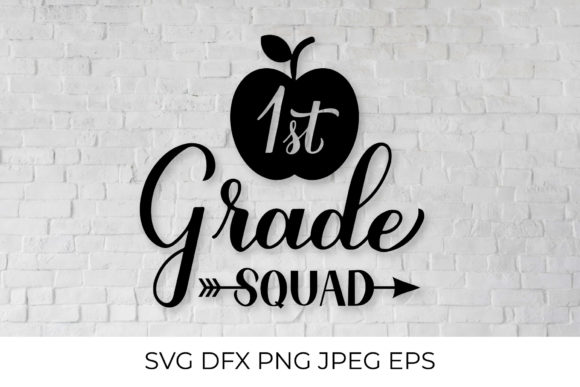
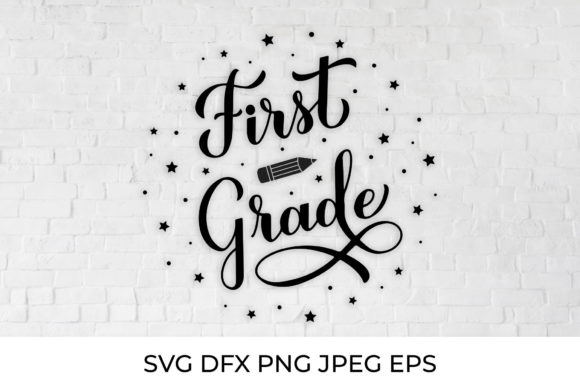
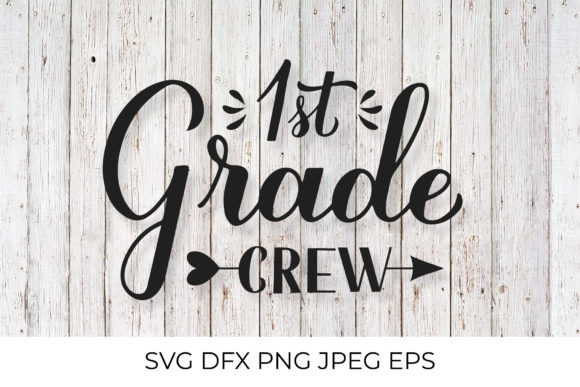
The 1st Grade Crew Calligraphy Lettering arrives as a versatile digital package, including SVG, DXF, PNG, JPEG, and vector EPS10 formats. While these are marketed primarily as cut files for vinyl and print, they serve as excellent source material for creating a custom machine embroidery design. The visual personality of this graphic is distinct; it features fluid, connected strokes that mimic traditional penmanship. This creates a warm, personalized mood ideal for nursery decor or sentimental gifts. However, calligraphy presents unique challenges in embroidery digitizing. Unlike block letters, script relies on varying line weights and delicate connections.
When converting this illustration into an embroidery file, you must decide whether to use satin stitch columns for the main strokes or running stitch for a more sketch-like effect. Satin stitches provide that classic, shiny embroidered look but can become problematic if the lettering varies significantly in width. If the original vector has thick swells and thin hairlines, you may need to manually adjust the column widths during digitization to prevent thread breaks or tunneling. For a cleaner result on stretchy fabrics like sweatshirts, I often recommend slightly widening the thinnest parts of the calligraphy to ensure adequate coverage without compromising the legible flow of the script.
Real-World Application: The First Day Sweatshirt Test
To truly evaluate this design, I applied it to a real-life scenario: creating a "First Day of School" crewneck sweatshirt for a boutique client. The goal was a vintage-inspired, collegiate look that felt high-end rather than generic. Using the 1st Grade Crew Calligraphy Lettering as the centerpiece, I digitized the text to fit across the chest area. The immediate observation was how the script’s baseline interacted with the garment's seams. On a flat tote bag design, the lettering sits perfectly straight, but on a worn sweatshirt, the natural drape of the fabric can distort horizontal alignment.
In this test case, the design performed beautifully as a focal point for custom apparel. The calligraphy style elevated the perceived value of the finished product compared to standard block fonts. Customers associate script with bespoke, personalized attention. However, because this is a detailed graphic, I had to be mindful of placement. Centering the design required accounting for the wearer’s bust line and shoulder slope to ensure the embroidery didn't pull awkwardly when worn. For commercial embroidery projects targeting parents, this specific lettering style triggers an emotional connection, making it a strong seller for holiday embroidery collections and personalized gift sets.
Fabric Compatibility and Stabilizer Strategy
Not all textiles treat calligraphy equally. During my review process, I tested the digitized version of 1st Grade Crew Calligraphy Lettering on three different substrates to gauge versatility:
- Cotton Fleece (Sweatshirts): This is the ideal home for this design. The stable knit holds satin stitches well, though a cut-away stabilizer is non-negotiable to prevent puckering around the intricate curves.
- Canvas Tote Bags: The firm weave allows for crisp edges, making the lettering pop. However, because canvas is thick, needle penetration can be heavy. Using a sharp needle and ensuring proper hooping tension prevents registration issues where the fill stitch might shift away from the outline.
- Baby Onesies and Thin Knits: Proceed with caution here. Delicate baby embroidery requires minimizing stitch count to avoid creating a stiff, scratchy patch against sensitive skin. For these items, I advise using a lighter running stitch variation of the calligraphy or reducing the overall size to maintain fabric drape.
For textured fabrics like terry cloth tea towels or fleece blankets, the fine details of calligraphy can get lost. In these instances, adding a water-soluble topping is essential to keep the stitches sitting on top of the pile rather than sinking in. Always test your stabilizer combination on scrap fabric first; what works for a rigid cap will fail on a stretchy t-shirt.
Commercial Viability for Makers and Sellers
For creative entrepreneurs and Etsy sellers, time is money. The 1st Grade Crew Calligraphy Lettering offers significant value as a foundational asset for multiple product lines. Beyond apparel, this graphic translates exceptionally well to embroidered patches, mug cozies, and even framed hoop art. Because the design includes vector EPS10 and SVG files, you have the flexibility to scale the artwork without losing quality, which is crucial when adapting a single design for both a large tote bag and a small pocket logo.
However, professionalism dictates that you verify licensing before selling finished products. While the description mentions making t-shirts, stickers, and mugs, always confirm whether the license covers commercial embroidery specifically. Some graphics licenses cover digital end-products but require an extended license for physical merchandise. Additionally, when listing these items online, use printable mockups that accurately represent the texture of thread. Buyers need to see that this isn't just a printed graphic but a tactile, stitched creation. High-quality photos of the actual stitch-out build customer trust far better than digital renderings alone.
Technical Considerations and Designer Notes
Before loading this design into your machine, take note of several practical factors derived from hands-on testing. First, inspect the small details. Calligraphy often includes tiny entry and exit strokes that look elegant on screen but can cause nesting or bird-nesting under the needle plate. Simplifying these micro-details during the digitizing phase saves headaches later. Second, consider thread color contrast. Light calligraphy on white fabric looks ethereal but may lack visibility in product photography. Darker threads on light backgrounds generally photograph better for social media marketing and shop listings.
Hoop size selection also matters immensely. Avoid hooping a large area of empty space just to accommodate a wide span of text; this invites shifting. Instead, choose the smallest hoop that comfortably fits the 1st Grade Crew Calligraphy Lettering with adequate margin for the presser foot. If the design is too wide for your maximum hoop, consider splitting the word "Crew" and "Calligraphy" into separate hooping sessions or rearranging the layout into a stacked format. Finally, remember that while this product is categorized under Illustrations and Graphics, its success in embroidery depends entirely on your technical execution. Treat the provided files as a blueprint, not a final destination.
Final Verdict for Embroidery Professionals
The 1st Grade Crew Calligraphy Lettering is a robust, aesthetically pleasing asset that bridges the gap between digital design and textile art. It excels in creating nostalgic, school-themed merchandise and personalized gifts that resonate with buyers. Its versatility across formats makes it a staple for makers who work across both vinyl and thread. However, its calligraphic nature demands respect for stitch physics. By prioritizing proper stabilization, simplifying minute details for stitch clarity, and selecting appropriate fabrics, you can transform this graphic into a best-selling embroidered product. Whether you are crafting a single baby item or stocking a boutique for the fall season, this design provides the stylistic foundation necessary for professional, high-value results.