Teacher Voice: A Designer’s Embroidery Review
First Impressions and Visual Personality
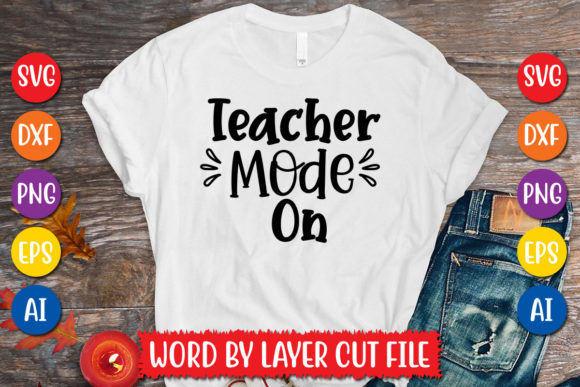
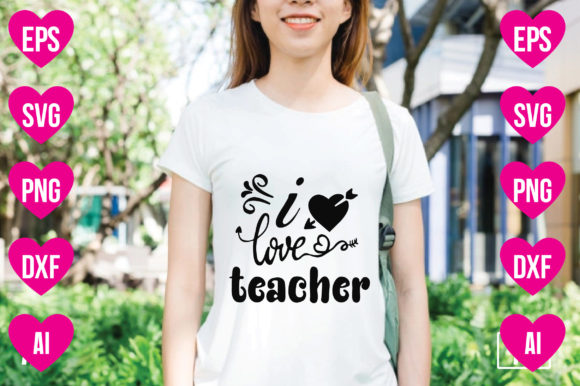
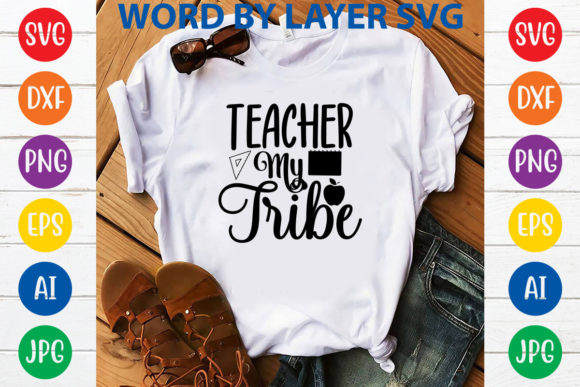
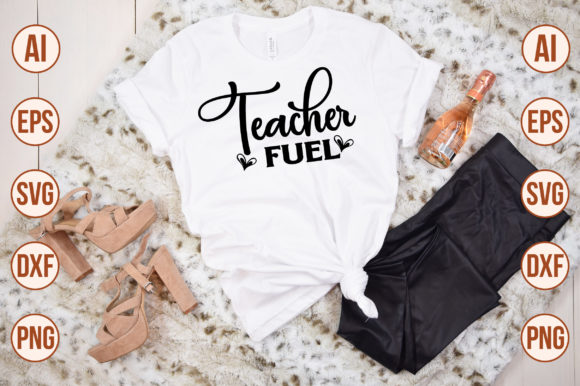
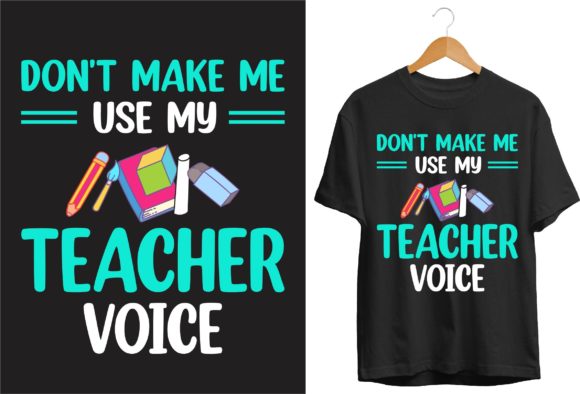
When evaluating Teacher Voice for potential use in a commercial or personal embroidery project, the first thing that stands out is the thematic clarity. As a designer who regularly reviews graphics for stitchability, I look for artwork that communicates its message instantly without relying on excessive detail that might get lost under thread. This design captures a specific mood—appreciation, professionalism, and warmth—that resonates deeply with educators and parents alike. The layout feels balanced, suggesting it was created with intention rather than as an afterthought.
The visual personality of this graphic leans towards clean lines and readable typography, which is crucial when translating screen-based art into needle and thread. While the product description highlights its utility for clothes printing and scrapbooking at 300 dpi, my primary concern as an embroiderer is how those vector-style shapes will behave when converted into stitches. The design possesses a boldness that suggests it can handle the transition from digital pixels to physical texture without losing its charm. It feels like a versatile asset for T-Shirt Designs, but its potential extends far beyond basic apparel into the realm of meaningful gifts and boutique merchandise.
Real-World Application: Stitching a Custom Tote Bag
To truly understand the value of Teacher Voice, I mentally placed it onto a canvas tote bag intended as an end-of-year gift for a favorite instructor. Tote bags are a staple embroidery project because they offer a stable, flat surface ideal for showcasing text-based graphics. In this scenario, the design serves as the focal point, requiring high contrast and structural integrity.
If I were digitizing this for a tote, I would likely treat the main lettering with a dense satin stitch or a textured fill stitch to give it weight against the heavy canvas. The accompanying graphical elements could utilize running stitch outlines to add definition without adding unnecessary bulk. This approach ensures the finished product remains durable and washable. For a personalized gift like this, the recipient needs to feel the quality of the craftsmanship. A design that is too sparse looks cheap on canvas; one that is too dense makes the bag stiff. Teacher Voice appears to strike the right balance, offering enough visual real estate to justify the hoop space while leaving room for the fabric’s natural drape to remain functional.
This same logic applies to sweatshirt embroidery. On fleece or french terry, the design needs to be robust enough to sink slightly into the pile without disappearing. The bold nature of this graphic suggests it would hold up well on napped fabrics, provided the correct stabilizer is used to prevent distortion during stitching.
Navigating Fabric Challenges and Hoop Limitations
Every experienced maker knows that a beautiful screen graphic does not automatically guarantee a beautiful embroidered patch or garment. When working with Teacher Voice, you must consider the substrate carefully. Because this is marketed as a high-resolution PNG and vector EPS file, there is a temptation to assume it is ready-to-stitch. However, unless you are purchasing a specific machine embroidery design file format (like DST or PES), you are likely working with source art that requires digitizing or careful tracing.
Be cautious when applying this design to stretchy knits or thin performance fabrics. Intricate details in the "Voice" aspect of the typography may require stabilization techniques like topping or spray adhesive to prevent the needle from pushing the fabric down into the throat plate. If you plan to use this for baby embroidery on onesies, scale is everything. Reducing a complex design to fit a 4x4 hoop often results in illegible text or merged stitches. Always test the minimum size before committing to a production run.
For curved surfaces like caps, evaluate the vertical height of the design. Cap hoops have limited vertical clearance, and a tall, stacked layout might need to be reconfigured horizontally. Similarly, if you are creating holiday embroidery items like tea towels or pillow covers, consider the washing frequency. Satin stitches wider than 7mm are prone to snagging in laundry. If Teacher Voice features wide spans of solid color, break them up with texture or limit the width to ensure longevity in a kitchen or nursery environment.
Elevating Product Value and Brand Consistency
For Etsy sellers and small shop owners, consistency builds trust. Using cohesive design assets like Teacher Voice helps establish a recognizable brand aesthetic across different product categories. Whether you are selling a digital download, a printed shirt, or an embroidered hat, the underlying artistic style should feel connected. This design’s clean, appreciative tone fits perfectly within the education niche, making it easier to market to teachers, homeschool groups, and school staff.
The perceived value of a handmade product increases significantly when the design choice matches the item's purpose. A generic clipart feels disposable; a thoughtfully selected graphic like this feels curated. When customers see that you have chosen a design that specifically honors their profession or passion, engagement rises. Furthermore, utilizing the included high-res JPGs for printable mockups allows you to showcase the design professionally in your listings before you even thread a needle. This versatility bridges the gap between digital products and physical goods, maximizing your return on investment.
Essential Notes for Makers and Digitizers
Before you load this design into your machine or listing, adhere to these practical guidelines to ensure professional results:
- Verify File Formats: The package includes SVG, EPS, PNG, and JPG files. These are excellent for printing and digitizing software, but confirm if pre-digitized embroidery files are included if you do not own digitizing software. Do not assume a PNG can be stitched directly.
- Test Stitch Density: Always run a sew-out on scrap fabric that matches your final project’s weight and texture. Check for gaps between outline and fill stitches, especially around tight corners in the lettering.
- Stabilizer Selection: Match your stabilizer to the fabric, not just the design. Use cut-away for stretchy apparel and tear-away for stable woven fabrics like tote bags or quilting cotton.
- Contrast Checks: Test thread colors against both light and dark backgrounds. A design that pops on white cotton might vanish on navy fleece without a contrasting outline or backing.
- Licensing Compliance: Review the specific license terms included with Teacher Voice. Confirm whether you are permitted to sell finished embroidered items, use the design for commercial branding, or resell digital derivatives. Respecting intellectual property protects your business reputation.
- Mockup Accuracy: When using the 4500×5400 JPG for listings, ensure the digital preview accurately represents what the embroidery will look like. Misleading customers with flat print images for embroidered products leads to returns and negative reviews.
Ultimately, Teacher Voice offers a strong foundation for creators looking to celebrate educators through tangible goods. By approaching this graphic with a critical eye toward stitch mechanics and end-use functionality, you can transform a simple digital file into a cherished, high-quality product that honors the teaching profession with the craftsmanship it deserves.