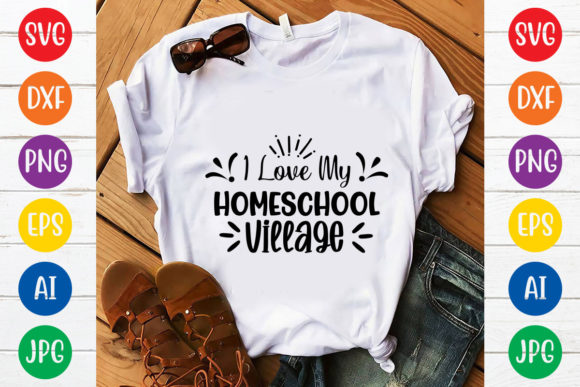
I Love My Homeschool Village: A Stitch Test
When I first opened the digital assets for I Love My Homeschool Village, I wasn't just looking at a graphic; I was evaluating a potential bestseller for the upcoming back-to-school and holiday craft seasons. As an embroidery designer and product reviewer, my immediate concern is always translation. A beautiful vector graphic on a screen does not automatically guarantee a clean, professional stitch-out on fabric. This design, categorized under T-Shirt Designs and Graphics, carries a specific emotional weight that resonates deeply with the homeschooling community. However, before listing it in an Etsy shop or stitching it onto a client’s custom apparel, we must assess its structural integrity for machine embroidery.
First Impressions and Emotional Resonance
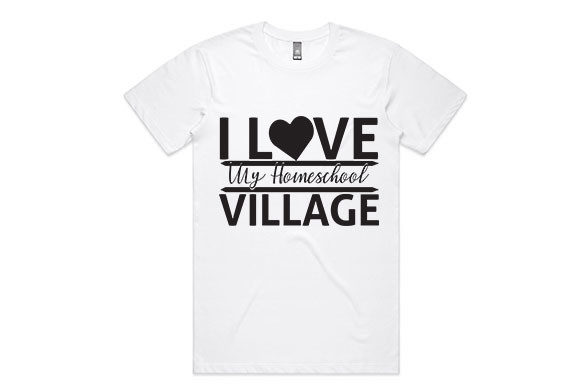
The visual personality of I Love My Homeschool Village strikes a balance between whimsical nostalgia and modern clarity. It evokes the feeling of a storybook illustration, which is exactly what this niche demands. The layout suggests a sense of community and warmth, making it an ideal candidate for personalized gifts and boutique branding. Unlike generic school designs, this artwork acknowledges the unique "village" dynamic of home education. From a design perspective, the shapes appear distinct enough to translate well into embroidery, but the true test lies in how those lines interact with needle and thread. The mood is undeniably cozy, suggesting it belongs on soft, tactile items rather than rigid corporate merchandise.
Real-World Application: The Sweatshirt Test
To truly evaluate this machine embroidery design, I mentally placed it in a real-life production scenario: creating a premium crewneck sweatshirt for a homeschool co-op leader. Sweatshirt embroidery presents specific challenges due to the fleece backing and stretchy knit face. In this context, I Love My Homeschool Village needs to perform as more than just a pretty picture; it needs to be durable and legible.
If I were producing this custom apparel piece, I would focus heavily on the interplay between fill stitch areas and outline definition. The "village" elements likely require solid coverage to pop against the textured fabric of a sweatshirt. However, if the design relies too heavily on dense satin stitch blocks without proper underlay, it risks puckering the knit fabric. For this project, I would verify that the embroidery file includes adequate pull compensation. A successful stitch-out on fleece requires the design to sit on top of the nap, not sink into it. If the design holds its shape during this stress test, it confirms its viability for high-value commercial embroidery projects and craft business inventory.
Navigating Fabric Textures and Hoop Constraints
While this design shines on stable knits, caution is required when adapting it for different substrates. As makers, we often want to put our favorite graphics on everything, but I Love My Homeschool Village has specific physical limitations based on its complexity.
- Textured Fabrics: On tea towels or linen pillow covers, the fabric texture can compete with fine details. If the village scene includes tiny windows or intricate rooflines, these may get lost in the weave. Consider using a water-soluble topping to create a smooth stitching surface.
- Stretchy Materials: For baby embroidery or lightweight t-shirts, stitch density is critical. Heavy fill areas can cause the garment to sag or warp. Always pair this design with a high-quality cut-away stabilizer to maintain the garment's drape.
- Curved Surfaces: Adapting this for caps or hats requires careful resizing. The horizontal spread of a "village" scene often exceeds the safe stitch area of a standard cap frame. You may need to separate elements or re-digitize portions to avoid distortion on curved surfaces.
- Small Hoop Sizes: Reducing this design for patches or baby clothes requires scrutiny. Tiny lettering or narrow satin columns below 1mm often fail to stitch cleanly. If the details vanish at smaller sizes, reserve this graphic for larger formats like tote bag designs or aprons.
Technical Assessment for Professional Results
The provided ZIP file contains EPS, SVG, PNG, and DXF files. While these are excellent source formats for cutting machines and sublimation, they serve primarily as reference maps for embroidery digitizing. Unless a specific .DST, .PES, or .JEF embroidery file is included, you cannot stitch this directly. Assuming you are digitizing from these graphics or have obtained a converted embroidery file, technical validation is non-negotiable.
Before running a full production batch, conduct a comprehensive test stitch. Check the registration between color changes; misaligned layers ruin the professional look of any handmade product. Evaluate the thread colors against both light and dark fabric backgrounds. A design that looks vibrant on white cotton might disappear on navy fleece unless you adjust the underlay or add a contrasting border. Furthermore, inspect the stitch path. Efficient jumping sequences reduce trim times and increase profitability for small shop products. If the design causes excessive trims or thread breaks during testing, it needs optimization before it touches a customer’s garment.
Commercial Viability and Customer Trust
For Etsy sellers and creative entrepreneurs, I Love My Homeschool Village represents a strong niche opportunity, but only if executed with precision. Customers in the homeschooling demographic value authenticity and quality. A poorly stitched design with gaps, puckers, or illegible text damages brand consistency and buyer trust. Conversely, a crisp, well-stabilized application elevates the perceived value of the finished product.
This design’s versatility allows for multiple revenue streams. Beyond apparel, consider its application in nursery decor, holiday gifts, and educational accessories. When creating printable mockups for digital listings, ensure the preview accurately represents the stitch texture. Misleading customers with flat vector images when selling embroidered goods leads to returns. Use realistic embroidery mockups that show thread sheen and dimension. Additionally, always confirm licensing terms before selling finished items or offering the digital embroidery file itself. Protecting your business means respecting intellectual property while delivering superior craftsmanship.
Final Designer Verdict
I Love My Homeschool Village is a charming and commercially relevant graphic that translates beautifully into embroidery when treated with technical respect. Its strength lies in its emotional connection to a passionate community. However, its success depends entirely on the maker’s willingness to test, stabilize, and adapt. Do not assume the digital art will stitch perfectly without verification. By paying attention to stitch density, fabric compatibility, and detail retention, you can transform this lovely graphic into a staple of your embroidery project lineup. Whether used for a personalized gift or a boutique collection, this design has the potential to become a beloved classic in your catalog, provided you prioritize quality execution over speed.