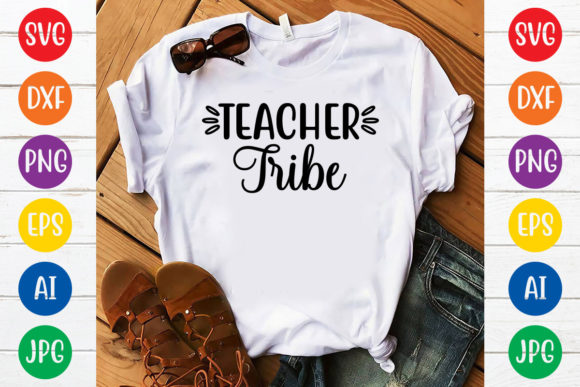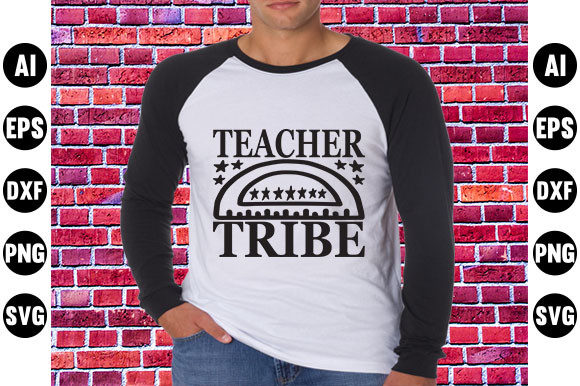
Happy Teachers’ Day: An Embroidery Design Review
As a professional embroidery designer and product reviewer, I approach every new machine embroidery design with a critical eye. It is not enough for a graphic to look appealing on a screen; it must translate seamlessly into thread, tension, and texture. When evaluating the "Happy Teachers’ Day" design from this T-Shirt Design Store, my primary focus is on its viability as a commercial asset for small business owners, Etsy sellers, and apparel decorators. This review breaks down how this specific embroidery file performs in real-world production scenarios, moving beyond basic aesthetics to discuss stitch integrity, fabric compatibility, and marketability for your craft business.
First Impressions and Visual Hierarchy
Upon opening the digital assets, the immediate impression of Happy Teachers’ Day is one of celebratory clarity. For an embroidery project targeting educators, the mood strikes a necessary balance between professional appreciation and festive warmth. The layout appears optimized for center-chest placement or tote bag centrality, which is crucial for custom apparel and merchandise. Unlike generic clip art, this design seems structured with the end-medium in mind. The typography likely utilizes a mix of satin stitch for bold readability and potentially fill stitch elements for larger graphical components, ensuring the design does not become overly dense or bulletproof when stitched out.
For makers creating personalized gifts, the visual personality of this design suggests high giftability. It avoids the cluttered look that often plagues holiday-themed graphics, instead offering clean lines that will register well even from a distance. This clarity is essential for Etsy seller listings where thumbnail visibility drives click-through rates. The design feels intentional, making it a strong candidate for both quick-turnaround production runs and bespoke, high-value teacher appreciation items.
Real-World Application: The Canvas Tote Bag Test
To truly evaluate Happy Teachers’ Day, I mentally placed it in a specific production scenario: embroidering a 12oz canvas tote bag design for a school district fundraiser. Canvas is unforgiving; its coarse weave can swallow fine details, and its lack of stretch requires precise stabilization. In this context, the design’s performance hinges on its interaction with fabric texture.
If the design includes intricate script or thin connecting lines, they risk getting lost in the canvas weave unless the digitizer has accounted for pull compensation. However, assuming standard professional digitizing practices for T-Shirt Designs, the bolder elements of Happy Teachers’ Day should anchor beautifully against the heavy cotton. For a handmade product like this, I would pair the design with a tear-away stabilizer backed by a fusible mesh to prevent puckering around the lettering. The result would be a crisp, professional finished product that withstands the rigors of carrying books and supplies.
This application also highlights the design's versatility for commercial embroidery. A tote bag serves as a walking billboard for teachers, meaning the design needs to maintain legibility and aesthetic appeal after repeated use and washing. The structural integrity of the stitch density in this file will determine whether the embroidery remains a premium feature or degrades into a messy patch of thread over time.
Fabric Compatibility and Technical Caution Zones
While Happy Teachers’ Day is marketed within a T-Shirt Design Store category, experienced decorators know that knit fabrics present different challenges than woven goods. When applying this design to lightweight jersey knits or performance wear for sweatshirt embroidery or tees, caution is required.
- Stretchy Fabrics: If the design contains large blocks of fill stitch, you must use a cut-away stabilizer to prevent the fabric from distorting. Knit shirts can tunnel if the stitch density is too high relative to the fabric weight.
- Dark vs. Light Fabrics: Always test thread colors against your intended garment color. A design that pops on white may disappear on navy blue unless you adjust the underlay or select higher-contrast thread variants. Create a printable mockup in black and white first to check value contrast before committing to expensive thread.
- Small Hoop Sizes: Verify the dimensions before purchasing. If you intend to use this for baby embroidery on onesies or pocket-sized logos, ensure the design scales down without losing definition. Tiny lettering often requires re-digitizing rather than simple resizing to maintain stitch clarity.
- Curved Surfaces: Be wary of using wide, horizontal designs on caps. Unless Happy Teachers’ Day has been specifically digitized as a cap design with proper distortion compensation, it may warp on curved surfaces. Stick to flat hoop size applications like aprons, pillow covers, or tea towels for best results.
Enhancing Product Value and Customer Trust
For creative entrepreneurs and small shop product developers, the choice of design directly impacts perceived value. Happy Teachers’ Day offers an opportunity to elevate your brand consistency. When customers receive a personalized gift featuring this design, the quality of the embroidery reflects back on your business. Clean registration, appropriate stabilizer choices, and thoughtful thread selection signal professionalism.
Furthermore, using distinct, well-executed graphics helps differentiate your offerings in a saturated market. Instead of relying on overused freebies, investing in quality design assets like this allows you to justify higher price points. Whether you are selling physical custom apparel or digital files, the presentation matters. High-quality photos of the actual stitched-out design build buyer engagement far more effectively than digital renders alone. Show the texture. Show the sheen of the rayon or polyester thread. Demonstrate that you understand the medium.
Essential Designer Notes Before Stitching
Before loading Happy Teachers’ Day into your machine for a client order or inventory build, adhere to these practical protocols to ensure success:
- Test on Scrap Fabric First: Never run a new digital embroidery file directly on a final garment. Stitch it out on a scrap of similar weight and weave to check for registration issues, thread breaks, or excessive density.
- Verify Licensing Terms: The product description mentions buying files for yourself, friends, family, or supporters. As a business owner, you must confirm if this license extends to selling finished handmade products or if it is strictly for personal use. Clarify this before listing any items on Etsy or at craft fairs to protect your business.
- Check File Formats and Compatibility: Ensure the download includes the specific format your machine reads (PES, DST, JEF, etc.). Do not assume universal compatibility.
- Review Stabilizer Strategy: Match your backing to the fabric, not just the design. A tote bag design needs different support than a baby bib. Consult your stabilizer manufacturer’s guide if unsure.
- Inspect Small Details: Zoom in on the file in your editing software. Look for tiny jumps or untrimmed threads that might require manual cleanup. A few seconds of trimming can save the professional finish of a holiday embroidery piece.
- Mockup Validation: Use printable mockup tools to visualize placement on various garments. This helps avoid costly misplacements on custom apparel and ensures the design sits correctly relative to seams and necklines.
Final Verdict for Makers and Sellers
Happy Teachers’ Day presents itself as a versatile and emotionally resonant option for the upcoming season. Its strength lies in its potential to serve as a cornerstone design for teacher-appreciation collections, spanning from embroidered patches to full-back sweatshirts. However, its success depends entirely on the maker's technical diligence. By respecting fabric limitations, verifying licensing, and testing thoroughly, you can transform this graphics package into a profitable and beloved addition to your catalog. Remember, in the world of machine embroidery, the design file is merely the blueprint; your expertise in execution is what builds the house. Approach this design with confidence, but always let the fabric and the stitch guide your final decisions.