Geology Teacher Design: An Embroidery Review
As a professional embroidery designer and product reviewer, I approach every new graphic with a specific question: will this actually stitch out well on real fabric? When evaluating the Geology Teacher design, my focus shifts immediately from screen to needle. This typography-based T-shirt design presents a unique opportunity for apparel decorators and Etsy sellers, but it also requires careful consideration regarding digitization and fabric choice. Typography is deceptively simple; while it lacks the complex shading of a landscape or the intricate details of a portrait, lettering is often where embroidery machines reveal their limitations. In this review, I am breaking down how this specific graphic performs when translated into a tangible, stitched product for educators and geology enthusiasts.
First Impressions and Visual Personality
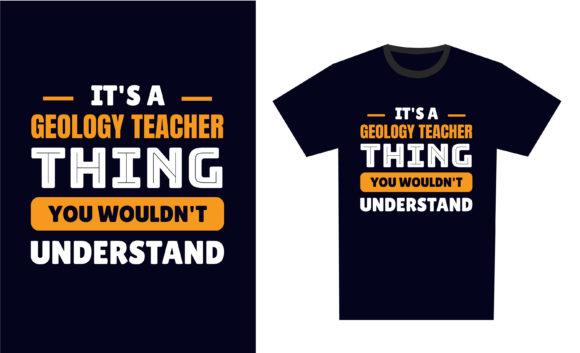
Upon opening the EPS and PNG files, the Geology Teacher design strikes a balance between academic professionalism and earthy warmth. The typography suggests a rugged yet refined aesthetic, likely utilizing serif or slab-serif elements that evoke rock strata and geological maps. For a handmade product, this mood is essential. It does not look like generic clip art; it feels curated for a specific niche. As a designer, I appreciate that the layout is centered and balanced, which is critical for placement on garments. However, because this is marketed as a resizable vector graphic rather than a pre-digitized machine embroidery design, the visual appeal on screen is only a blueprint. The true personality will emerge during the digitizing process, where you must decide whether to honor the sharp edges of the vector with crisp satin stitches or soften them with fill stitches to accommodate fabric texture.
Real-World Application: The Educator’s Tote Bag
To truly test the viability of this design, I envision a specific real-life scenario: creating a custom canvas tote bag for a high school earth science teacher. Teachers carry heavy books, samples, and personal items, meaning the finished product needs to be durable and legible from a distance. Canvas is an excellent substrate for typography because its tight weave supports detailed lettering without excessive puckering. In this application, the Geology Teacher graphic serves as more than just decoration; it is a badge of identity.
For this project, I would treat the text as a primary focal point. Since the source file is an EPS, I have the freedom to adjust the kerning before digitizing to ensure no letters merge during stitching. On a natural canvas tote, using a dark brown or slate grey thread creates a sophisticated, organic contrast that aligns perfectly with the geology theme. This specific use case highlights why having editable source files is superior to buying a locked DST file. I can scale the design to fit a 5x7 hoop perfectly for a tote bag, or reduce it for a pocket logo on a polo shirt, ensuring the embroidery project feels bespoke rather than mass-produced.
Navigating Fabric Challenges and Hoop Sizes
While the design is versatile, not all fabrics are created equal. Typography designs like Geology Teacher demand stability. If you attempt to stitch this on a stretchy knit t-shirt without proper preparation, the letters will distort, and the registration will fail. I strongly advise against using this design on highly textured fabrics like terry cloth or loose-weave linen unless you modify the digitization to include a stronger underlay or increase the column width. Thin, silky fabrics are also risky; the density required for clean lettering can cause needle perforations that damage the garment.
Hoop size selection is another practical constraint. Although the description states the design is resizable in any size, physics dictates otherwise. If you shrink this typography below three inches wide, small serifs and internal counters (the holes in letters like 'a' or 'e') may close up completely. Conversely, enlarging it beyond the original vector proportions without adding stitch structure can result in long, looping satin stitches that snag easily. For sweatshirt embroidery or hoodies, the fleece pile can swallow thin lines. In these cases, I recommend testing a swatch first. Always verify your stabilizer choice; a cut-away stabilizer is non-negotiable for knits to maintain the integrity of the typography over time and through washing.
Commercial Value for Makers and Sellers
For Etsy sellers and small business owners, the commercial potential of this design lies in its niche specificity. "Teacher appreciation" is a saturated market, but "Geology Teacher" is targeted. Specificity sells. When listing a personalized gift or custom apparel featuring this design, customers trust sellers who understand the subject matter. The clean, professional nature of this typography allows it to bridge the gap between casual wear and semi-professional attire. It works equally well for holiday embroidery gifts during graduation season or as end-of-year thank-you presents.
Furthermore, because you receive editable formats like AI and PDF alongside the EPS, creative entrepreneurs can utilize this asset beyond embroidery. You can create matching vinyl decals for water bottles, screen print transfers for bulk orders, or even use the PNG for printable mockups in your online store. This multi-format flexibility increases the ROI of the design asset. However, always double-check your licensing terms regarding commercial use of the digital file versus selling physical embroidered goods. Ensuring you are compliant protects your shop and builds long-term trust with your customer base.
Essential Technical Notes for Stitch Success
Before loading this design into your machine, adhere to these professional guidelines to ensure a premium result:
- Test Stitch First: Never run a new typography design directly on a client’s garment. Stitch it out on scrap fabric of similar weight and texture to check for registration issues.
- Evaluate Thread Contrast: Geology themes often use earth tones. Ensure there is sufficient contrast between your thread and fabric. Low-contrast stitching looks muddy in photos and from a distance.
- Check Small Details: Inspect the smallest elements of the typeface. If a serif is thinner than 1mm, consider removing it or converting that section to a running stitch outline to prevent thread breaks.
- Stabilizer Strategy: Match your stabilizer to the fabric, not the design. Use tear-away for stable wovens and cut-away for stretchy knits. Consider a topping for fuzzy fabrics to keep the lettering crisp.
- Mockup Verification: Create black and white mockups to judge value and readability independent of color. If the design doesn't read well in grayscale, it won't stitch well.
- File Format Awareness: Remember that EPS and PNG are graphics, not stitch files. You must digitize this yourself or hire a digitizer. Do not assume auto-digitizing software will handle typography correctly; manual adjustment is usually required for professional results.
Final Thoughts on Design Integrity
The Geology Teacher graphic is a strong foundation for a variety of embroidery applications, provided the maker respects the technical requirements of stitching text. Its strength lies in its clean lines and niche relevance, making it a valuable addition to any crafter's library of T-Shirt Designs. By approaching this design with a practical mindset—testing on appropriate fabrics, respecting minimum sizes, and leveraging the editable vector format for customization—you can transform a digital graphic into a high-value, cherished item. Whether you are producing merchandise for a university department or a personalized gift for a mentor, the success of the project depends on treating the embroidery process with the same scientific precision that a geologist applies to their fieldwork. Quality execution elevates simple graphics into professional-grade wearable art.