Dear Teacher Mentor Design: An Embroidery Review
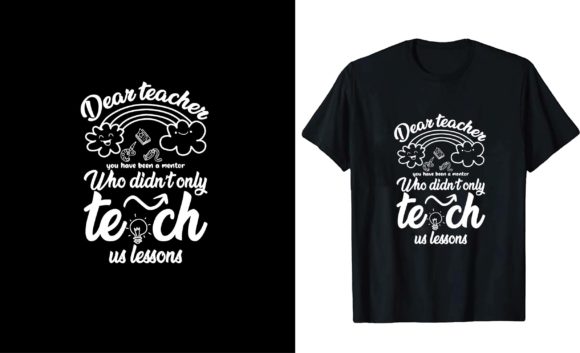
As a professional embroidery designer and product reviewer, I approach every new digital asset with a critical eye. When evaluating Dear Teacher, You Have Been a Mentor Who, my first thought isn't just about the sentiment; it is about how those words will translate through a needle and thread onto physical fabric. This design arrives as part of a broader collection of T-Shirt Designs and Graphics, but for those of us in the craft business and apparel decoration space, its true value lies in its stitchability. The layout suggests a heartfelt tribute, yet from a technical standpoint, it presents specific opportunities and challenges for machine embroidery projects ranging from custom apparel to personalized gifts.
First Impressions and Emotional Resonance
The visual personality of Dear Teacher, You Have Been a Mentor Who strikes a balance between professional respect and personal warmth. In the digital preview, the typography appears clean and legible, which is the most critical factor for text-heavy embroidery files. For an Etsy seller or handmade shop owner, this mood is essential. Teachers are often gifted items that need to feel sincere rather than generic. The design’s structure implies a narrative flow, suggesting it would work beautifully as a centerpiece on a tote bag design or centered on the chest of a sweatshirt. However, before loading this digital embroidery file into your machine, you must assess whether the font weight can withstand the texture of your chosen fabric without losing clarity.
Real-World Application: The Canvas Tote Test
To truly judge this design, I mentally placed it in a real-life scenario: creating a premium canvas tote bag for a retiring mentor. Tote bags are a staple small shop product because they offer a large, flat embroidery area. When stitching Dear Teacher, You Have Been a Mentor Who on canvas, the fabric texture plays a massive role. Canvas is durable but coarse. If the design relies heavily on thin running stitch or delicate serif fonts, the stitches might sink into the weave, making the message difficult to read.
In this application, I would look for adequate stitch density in the lettering. A satin stitch border or a fill stitch background behind the text could help lift the design off the fabric surface, ensuring the "Mentor" aspect stands out visually. For a commercial embroidery project like this, the goal is a finished product that looks high-end and intentional. If the design includes decorative flourishes, ensure they are thick enough to prevent thread breaks during high-speed production. This specific use case highlights why reviewing design assets before purchasing is vital for maintaining brand consistency and customer trust.
Navigating Fabric Variables and Hoop Constraints
While tote bags are forgiving, applying Dear Teacher, You Have Been a Mentor Who to stretchy knits or lightweight fabrics requires caution. As an experienced apparel decorator, I have seen beautiful digital files fail on jersey cotton because the stabilizer choice didn't match the stitch count. If you plan to use this for baby embroidery or lightweight t-shirts, verify the design's density. Too many overlapping stitches in a small area can cause puckering or even tear the fabric.
Hoop size is another non-negotiable variable. Text-based designs often span horizontally. Before committing to this embroidery project, measure your available hoop dimensions against the file specifications. Nothing is more frustrating than realizing a phrase is half an inch too wide for your 5x7 hoop after you’ve already prepped the garment. Furthermore, if you intend to adapt this into an embroidered patch, check the corner details. Patches require tight satin stitch borders; if the original graphic has intricate, tiny corners, they may not digitize cleanly at a reduced scale without modification.
Technical Performance and Stitch Integrity
When evaluating any machine embroidery design, specifically one with sentimental text, clarity is king. Here are practical observations regarding the technical performance of Dear Teacher, You Have Been a Mentor Who:
- Thread Color Contrast: Always test this design on both light and dark backgrounds. White thread on a navy sweatshirt offers classic readability, but pastel thread on white cotton might disappear. Ensure the digitizing accounts for contrast so the message remains the focal point.
- Stitch Density Management: Check if the design allows for density adjustments. For holiday embroidery or items requiring frequent washing, slightly denser stitching ensures longevity. However, for sheer fabrics or baby clothes, a lighter touch prevents stiffness.
- Small Lettering Legibility: If the design includes sub-text or smaller attribution lines, scrutinize them closely. Letters under 4mm often require specialized digitizing to remain readable. If the file lacks this optimization, consider resizing or removing secondary text to preserve the integrity of the main message.
- Applique Potential: Determine if this works as an applique design. Adding a fabric background behind the text can reduce overall stitch count while adding a tactile, handmade product quality that buyers love.
Commercial Viability for Creative Entrepreneurs
For Etsy sellers and creative entrepreneurs, Dear Teacher, You Have Been a Mentor Who represents more than just a pretty graphic; it is a potential revenue stream. However, selling finished products requires confidence in your output. Customers trust handmade items when they look professional. A design that pulls, gaps, or registers poorly will result in returns and negative reviews. Before listing this as a custom apparel option, produce a sample. Photograph it in natural light. Create a printable mockup to see how it translates digitally versus physically.
Additionally, verify licensing terms explicitly. Just because a file is sold as a T-Shirt Design doesn't automatically grant unlimited commercial embroidery rights. Confirm whether you can sell the physical embroidered item, the digital embroidery file itself, or both. Protecting your craft business means respecting intellectual property while delivering exceptional value to your clients. This design’s specific focus on mentorship makes it highly giftable, increasing its perceived value during Teacher Appreciation Week or end-of-year celebrations.
Essential Pre-Stitch Checklist for Makers
Before you begin stitching Dear Teacher, You Have Been a Mentor Who for a client or personal gift, run through this practical checklist to ensure success:
- Test on Scrap Fabric: Never stitch directly on the final garment first. Use a scrap of similar weight and texture to check registration and tension.
- Verify Stabilizer Pairing: Match your stabilizer to the fabric, not just the design. Cut-away for knits, tear-away for wovens, and water-soluble for textured surfaces.
- Inspect Digital File Details: Open the file in your software to check for jump stitches, trim counts, and color changes. Efficient sequencing saves time in production.
- Evaluate End Use: Will this item be washed frequently? If so, ensure the design is secure and durable. Is it a display piece? Focus on aesthetic perfection over durability.
- Check Licensing Again: Re-read the product description to confirm your intended use aligns with the creator's permissions for commercial embroidery or digital resale.
Ultimately, Dear Teacher, You Have Been a Mentor Who holds significant promise for personalized gifts and boutique branding. Its success, however, depends entirely on the maker's diligence. By treating this digital asset as a raw material that requires skilled execution rather than a plug-and-play solution, you elevate your work from simple crafting to professional textile art. Whether you are creating a keepsake sweatshirt or a line of teacher appreciation totes, let practical judgment guide your needle. The result will be a finished product that honors the mentor and showcases your expertise as an embroidery professional.