Born to Teach Forced: An Embroidery Design Review
As a professional designer and product reviewer, I approach every new machine embroidery design with a critical eye. It is not enough for a graphic to look good on a screen; it must translate beautifully into thread and fabric. When evaluating the "Teacher Design, Born to Teach Forced," my primary focus is how this humorous, relatable sentiment performs in real-world production environments. This review breaks down the practical application of this design for fellow embroiderers, Etsy sellers, and apparel decorators who need assets that stitch out cleanly and sell effectively.
First Impressions and Visual Personality
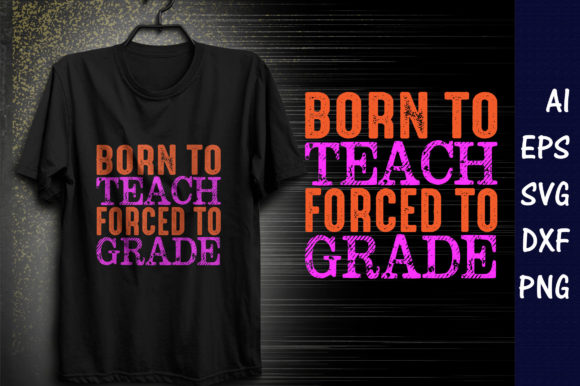
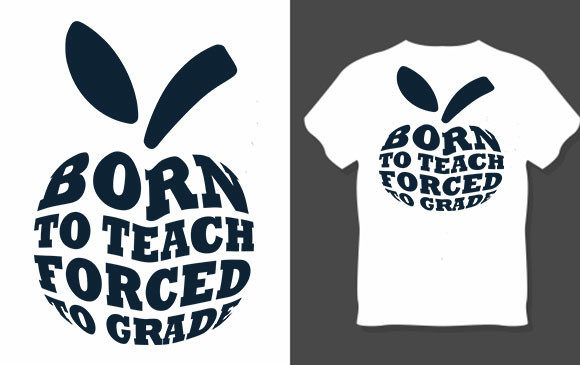
Upon opening the ZIP file containing EPS, SVG, PNG, and DXF formats, the immediate impression of Teacher Design, Born to Teach Forced is one of witty professionalism. The layout balances typography with graphical elements in a way that feels modern rather than dated. For those of us creating T-Shirt Designs or Graphics for educators, the mood strikes the perfect chord between appreciation and exhaustion. It avoids being overly cutesy, which makes it versatile for adult apparel and accessories.
The visual hierarchy is clear. The phrase "Born to Teach" likely carries a different weight or style than "Forced to Grade," creating a natural focal point. In embroidery, this contrast is vital. If the text sizes are too similar, the joke gets lost in the stitching. From a design asset perspective, the inclusion of multiple file types suggests versatility. While SVG and DXF are excellent for cutting machines and vector editing, the EPS and PNG files serve as crucial references for digitizers converting this graphic into a true embroidery file. Always remember that unless you receive a specific embroidery format (like PES, DST, or JEF), you are working with source art that requires proper digitizing to become a stitchable design.
Real-World Application: The Teacher Tote Bag Test
To truly evaluate this design, I mentally placed it onto a canvas tote bag project intended for an end-of-year teacher gift. Canvas is a sturdy, textured fabric that demands respect during embroidery. Teacher Design, Born to Teach Forced fits this application exceptionally well because the humor aligns with the utility of the item. A teacher carrying grading papers needs a bag that acknowledges their reality.
In this scenario, I envision using a combination of satin stitch for the main lettering to ensure readability from a distance, paired with a lighter fill stitch or running stitch for any decorative background elements. This mix reduces overall stitch density, preventing the canvas from becoming stiff or bulletproof. For a tote bag design, placement is key. Centering the design about four inches down from the top seam ensures visibility when the bag is carried. If this were a sweatshirt embroidery project, I would adjust the size to fit the chest area without overwhelming the garment's drape. The design’s personality supports both custom apparel for personal wear and boutique merchandise for school spirit shops.
Navigating Fabric Challenges and Hoop Limitations
While Teacher Design, Born to Teach Forced has strong potential, certain applications require caution. As an experienced reviewer, I must highlight where this design might struggle if not managed correctly.
- Small Hoop Sizes: If your machine only accommodates a 4x4 hoop, verify the dimensions before purchasing. Humorous designs often rely on longer sentences. Shrinking the design to fit a small hoop may render the text illegible once stitched. Always confirm the physical size matches your equipment.
- Stretchy Fabrics: Applying this to performance wear or thin knits requires heavy stabilization. The contrast between "Born to Teach" and "Forced to Grade" implies varying stitch directions. Without proper cut-away stabilizer, the fabric may pucker, distorting the punchline.
- Textured Surfaces: On terry cloth towels or fleece blankets, fine details can get lost. You may need to add a topping or simplify the design elements to maintain clarity. A tea towel or kitchen textile works best if the lettering is bold enough to stand out against the weave.
- Curved Items: Caps and hats present unique challenges. Unless the design is specifically digitized for curved surfaces, flattening a standard design onto a cap can cause registration issues. Test thoroughly before committing to a batch of headwear.
Commercial Viability and Customer Trust
For Etsy sellers and small shop product creators, the commercial viability of Teacher Design, Born to Teach Forced hinges on execution quality. Customers trust handmade products that look professional. A design that pulls, gaps, or has poor coverage will result in returns and negative reviews. Conversely, a crisp, well-executed stitch-out elevates the perceived value of the finished product.
This design also serves as excellent content for printable mockups and digital listings. Because the sentiment is niche-specific, it attracts high-intent buyers looking for personalized gifts for educators. However, transparency is non-negotiable. Before listing any item featuring this design, you must rigorously check the licensing terms included in the download. Confirm whether you have rights for physical sales, digital distribution, or both. Respecting intellectual property builds long-term brand consistency and buyer engagement.
Essential Designer Notes for Success
Based on my evaluation, here are practical steps to ensure Teacher Design, Born to Teach Forced succeeds in your studio:
- Test Stitch First: Never run a new design directly on a client’s garment. Use scrap fabric similar to your final project to check tension, density, and alignment.
- Verify File Contents: The product description lists EPS, SVG, PNG, and DXF. These are typically vector and raster graphics, not pre-digitized embroidery files. Ensure you have the software or service to convert these into stitches, or verify if an embroidery format was included but unlisted.
- Contrast Check: Test the design in black and white mockups to ensure the visual hierarchy holds up without color reliance. This is especially important for holiday embroidery or monochromatic branding.
- Thread Color Planning: Plan your thread colors to enhance the joke. Perhaps "Born to Teach" is in a vibrant school color while "Forced to Grade" is in a muted grey or red to symbolize stress. Color choice impacts emotional resonance.
- Stabilizer Selection: Match your stabilizer to the fabric weight. A lightweight tear-away might suffice for a cotton tee, but a denim jacket or canvas bag demands a sturdy cut-away or fusible backing.
- Detail Inspection: Zoom in on the smallest text elements. If letters are thinner than 1mm, they may need to be adjusted or converted to running stitches to prevent needle breaks or thread shredding.
Final Thoughts on Production Value
Teacher Design, Born to Teach Forced offers a fantastic foundation for craft business owners and hobbyists targeting the education market. Its strength lies in its relatability and clean aesthetic, making it suitable for everything from baby embroidery on bibs for teacher moms to sophisticated patches for staff lounges. By approaching this design with technical mindfulness—respecting fabric limitations, verifying file formats, and testing stitch-outs—you transform a simple digital graphic into a high-quality, sellable asset. Whether you are creating a one-off embroidered patch or launching a full line of educator apparel, this design has the potential to resonate deeply with its audience when executed with professional care.