A Teacher SVG Cut Files: An Embroidery Review
First Impressions for Apparel and Classroom Decor
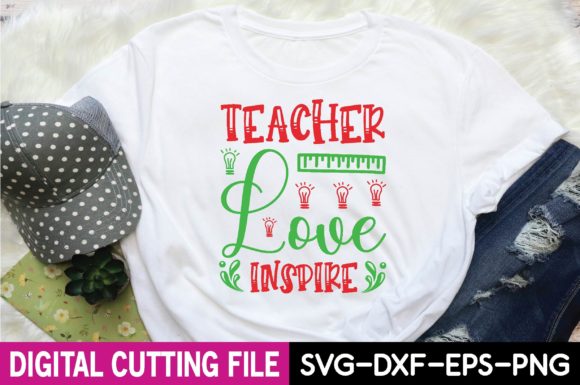
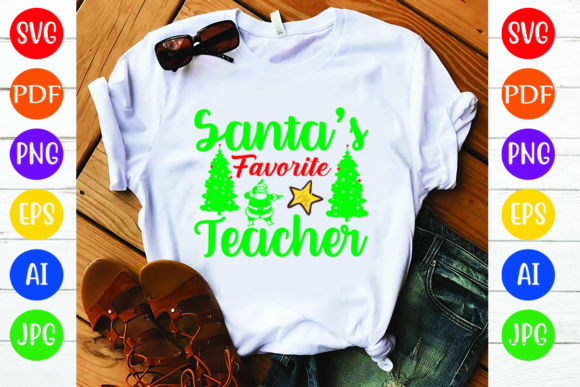
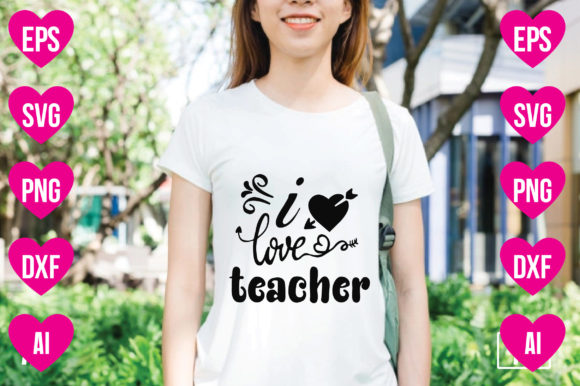
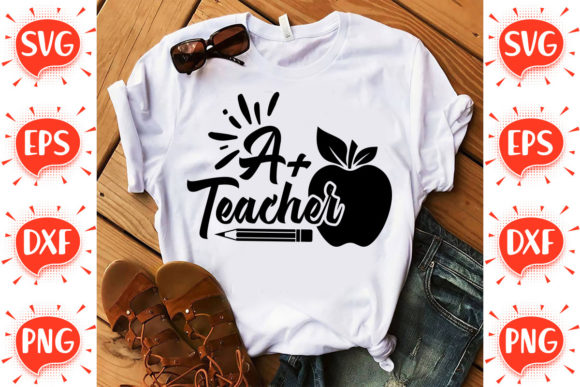
When evaluating A Teacher SVG Cut Files for potential embroidery adaptation, my first focus is always on the structural integrity of the artwork. As a designer who regularly bridges the gap between digital cutting files and needle-and-thread execution, I look for clean vector paths that translate well into stitch data. This specific digital download arrives as a ZIP folder containing SVG, PNG, EPS, and DXF formats. While these are marketed primarily as T-Shirt Designs for Cricut and Silhouette users, the EPS and SVG vectors provide an excellent foundation for digitizing a custom machine embroidery design.
The visual personality of this graphic strikes a balance between professional appreciation and playful creativity. It avoids the overly juvenile aesthetic that sometimes plagues teacher-themed merchandise, making it suitable for adult custom apparel and staff gifts. The layout suggests a design that would work beautifully as a center chest placement on a sweatshirt or a bold statement on a canvas tote bag. For an Etsy seller or craft business owner, this versatility is key. You aren't just buying a file; you are acquiring a base asset that can be adapted for multiple product lines, from holiday embroidery projects to year-round boutique staples.
Translating Vectors to Stitches: A Real-World Sweatshirt Project
To truly understand the value of A Teacher SVG Cut Files, I mentally walked through a recent client project involving personalized crewneck sweatshirts for a school district's teacher appreciation week. The goal was to create a handmade product that felt premium rather than mass-produced. Using this vector file as a template, I could easily separate the elements to create a layered applique design.
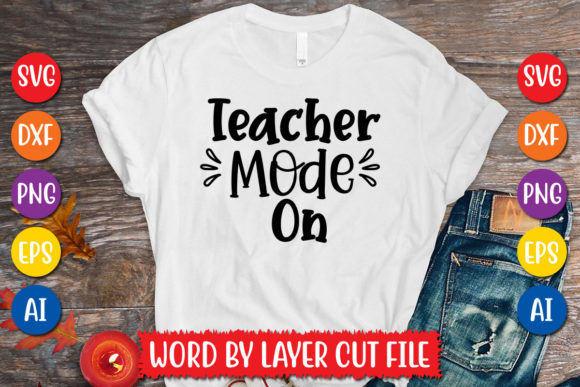
In this real-life scenario, the "word by layer" aspect mentioned in the product description is a significant advantage for embroiderers. Instead of dealing with a flattened image, having distinct layers allows me to assign specific stitch types to different parts of the design. I can designate the main text for a plush satin stitch while using a fill stitch for larger background elements. This separation ensures that the stitch density remains manageable, preventing the fabric from puckering—a common issue when adapting dense graphics meant for vinyl onto knit fabrics.
For the sweatshirt application, I envisioned using a cut-away stabilizer to support the weight of the embroidery on fleece. The clean lines of the SVG file make it easier to digitize registration marks, ensuring that the appliqué fabric aligns perfectly with the outline stitches. The result is a finished product that maintains its shape after washing and offers a tactile quality that vinyl simply cannot achieve. This level of detail builds customer trust and justifies a higher price point for small shop products.
Navigating Fabric Textures and Hoop Limitations
While A Teacher SVG Cut Files offers immense creative potential, practical judgment is required when selecting substrates. Not every fabric is a friend to detailed typography. When planning a tote bag design on natural canvas, the texture of the fabric can sometimes swallow thin running stitches. In such cases, I recommend thickening the column width during the digitizing process or adding an underlay to create a smooth platform for the top thread.
Care must also be taken with baby embroidery or items made from stretchy performance fabrics. If you intend to adapt this graphic for a onesie or baby blanket, the design size must be scaled appropriately to fit smaller hoop sizes without losing legibility. Tiny lettering is the enemy of embroidery; if the text elements in this file are too intricate, they may need to be simplified or replaced with blockier fonts during digitization. Always test on scrap fabric first. A design that looks crisp on screen can become a muddy mess on ribbed knit if the thread colors lack sufficient contrast or if the tension isn't adjusted for the specific material.
Furthermore, consider the end-use of the item. A personalized gift like a kitchen towel or apron will face frequent laundering. Ensure that any decorative accents derived from this file are secured with adequate lock stitches. For commercial embroidery intended for retail sale, durability is just as important as aesthetics. A loose thread or popping stitch can lead to returns and negative reviews, so validating the design's structural soundness on the actual target fabric is non-negotiable.
Strategic Use for Digital Sellers and Makers
Beyond physical stitching, A Teacher SVG Cut Files serves as a valuable asset for digital product sellers and makers focusing on branding. The inclusion of high-resolution PNG and scalable EPS files makes this ideal for creating professional printable mockups. Before committing to stitching a full production run, I often use the PNG file to overlay onto garment templates in Photoshop or Canva. This allows me to visualize colorways and placement, saving time and materials.
For those selling design assets or offering customization services, this file provides a consistent theme across different mediums. You might use the SVG for laser-engraved leather patches and the digitized version for embroidered caps, creating a cohesive brand identity for a school or organization. However, a critical note for Etsy sellers and creative entrepreneurs: always verify the licensing terms included in your ZIP folder. While the file is compatible with Cricut and Silhouette for personal crafting, commercial use for selling finished embroidered goods or redistributing the digital file itself may have specific restrictions. Respecting intellectual property protects your business reputation and supports fellow designers.
Essential Designer Notes for Successful Execution
To maximize the potential of this graphic in your studio, keep these practical checkpoints in mind:
- Verify Compatibility: Although listed as compatible with Cricut and Silhouette, confirm that your specific embroidery software can import the EPS or SVG cleanly for tracing and digitizing.
- Contrast Testing: View the design in black and white before stitching. If the design relies solely on color differences rather than value contrast, it may not read well in monochromatic embroidery threads.
- Stabilizer Selection: Match your stabilizer to the fabric weight. Use tear-away for stable wovens like canvas tea towels, and cut-away for stretchy knits used in sweatshirt embroidery.
- Detail Audit: Inspect small corners and tight curves. Vector art often has sharp angles that need rounding in embroidery software to prevent needle breaks and thread buildup.
- Mockup Validation: Use the provided PNG to create listing photos or client approvals, but clearly label them as digital previews if the final product is handmade embroidery.
- License Check: Before listing any embroidered patch or apparel for sale, review the digital download’s terms regarding commercial usage of derivative works.
Ultimately, A Teacher SVG Cut Files is more than just a cutting file; it is a versatile starting point for makers who understand how to bridge digital art and textile craft. Whether you are producing a single personalized gift or stocking your shop with seasonal custom apparel, approaching this design with technical mindfulness will ensure your finished pieces stand out for their quality and craftsmanship.